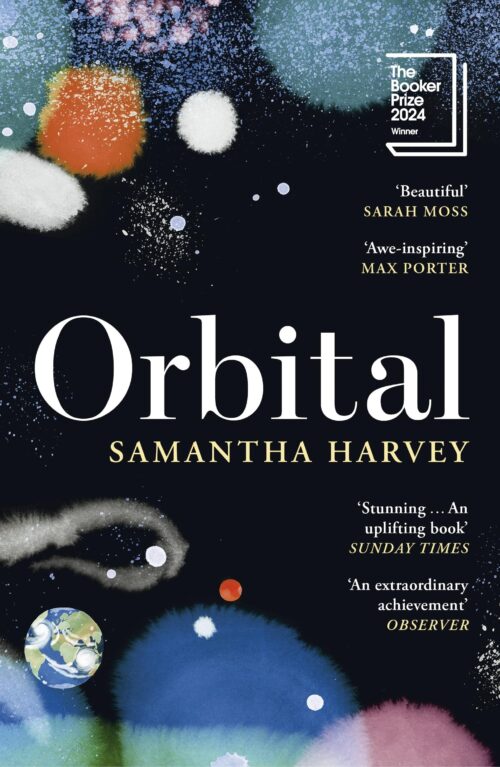
On Orbital, Space, and the Absence of Discovery For a space enthusiast who is also interested in philosophy, Orbital should be my kind of novel. From its premise, it is depicted as a quiet, reflective work, and from the length of the book, a restrained one. To seal the deal, it also won the Man Booker… Continue reading
Post Category → Book Review
We Think About the Future All the Time. We Just Do It Badly.
Disclosure: A digital review copy of Could, Should, Might, Don’t was provided by Farrar, Straus and Giroux. This is how I spend my slow hours at work: I put on videos of AI-generated “futuristic ambience” showing spaceship interiors that look suspiciously like luxury resorts, complete with reclining beach chairs and a giant planet hovering majestically in the… Continue reading
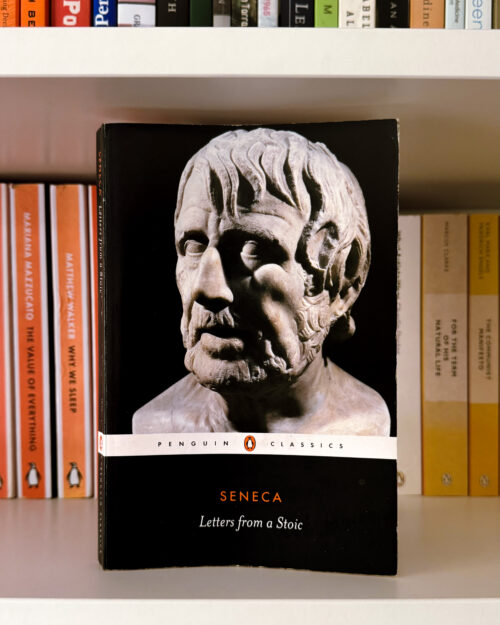
Stoicism in the Undertow
Why Seneca’s Stoicism Matters More in an Age of Crisis Normalization For many readers today, Stoicism has become shorthand for an emotional-discipline hack that promises focus, less anxiety, no drama, better productivity. From The Daily Stoic to the closer-to-home Filosofi Teras, the philosophy has been repackaged as an everyday toolkit: a clean, actionable method for… Continue reading
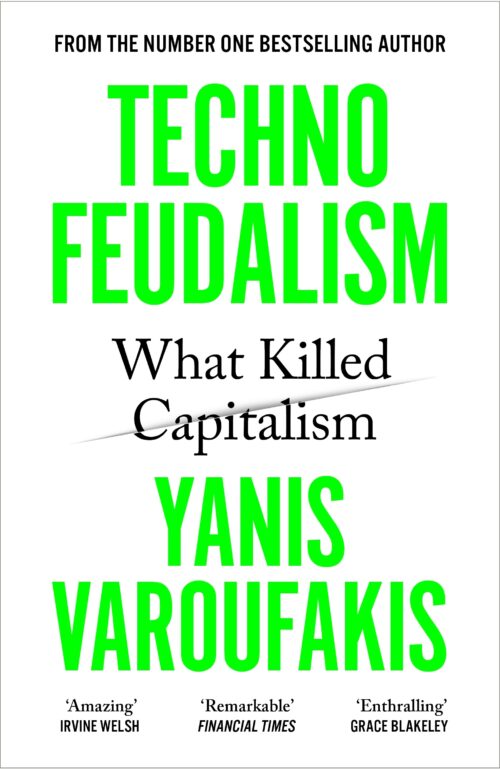
The Temptation of Declaring Capitalism Dead
In Technofeudalism, Yanis Varoufakis maps the dangers of the platform economy with forbidding clarity, but his obituary for capitalism reads more like desire than diagnosis. Yanis Varoufakis has never written like an economist. In Technofeudalism, he addresses his late father in a series of reflections on technology, power, and the fate of capitalism. The device… Continue reading
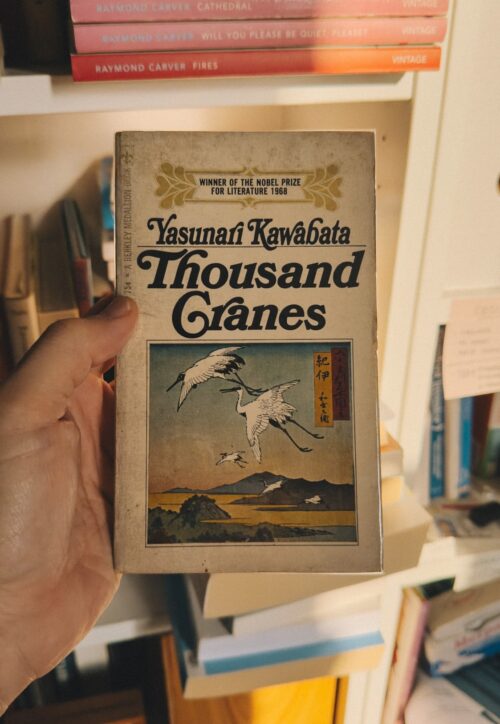
When Beauty Is Contaminated
Kawabata searches for deeper truth, turning the tea ceremony into a chamber of guilt, desire, and inherited shame. Yasunari Kawabata’s Thousand Cranes turns the Japanese tea ceremony on its head. What is usually a spectacle of beauty and restraint—a refuge of calm, clarity, and refinement—becomes instead a chamber of guilt, desire, and contamination. When I… Continue reading